Verkhnedvinsk
Verhnedvinsk is the administrative center of the district of the same name in the Vitebsk region. The city is located at the confluence of the Drissa River with the Western Dvina. Until 1962, Verkhnedvinsk was called Drissa.
The first written mention of Drissa (Verhnedvinsk) dates back to 1386. Throughout its history, the city was part of the Principality of Polotsk, the Grand Duchy of Lithuania, and the Commonwealth. In the period from the XIV-XVI centuries. the walls of the city were protected by a powerful defensive castle, which was the border between the Commonwealth and the Crusaders.
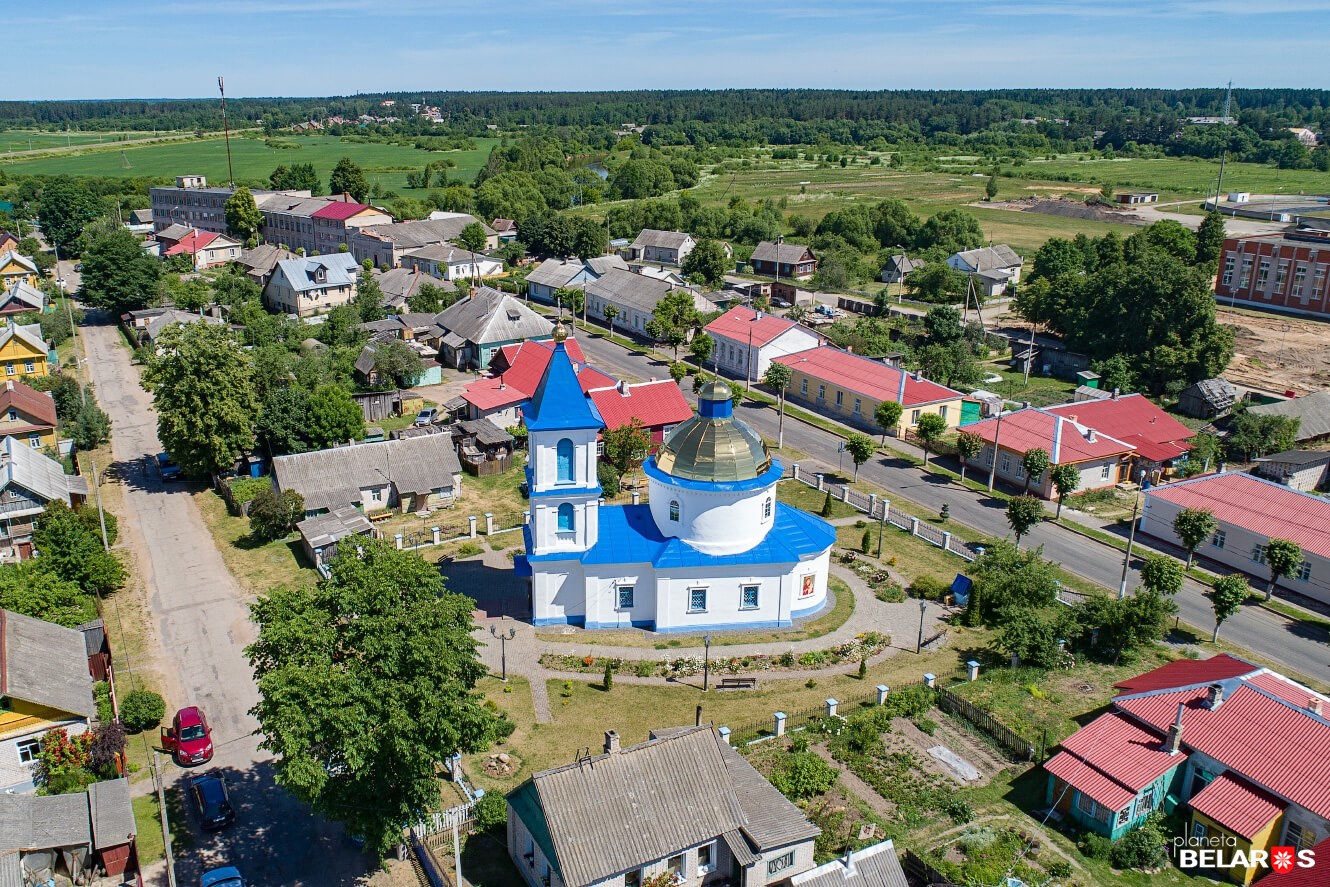
In the first half of the 16th century, the city served as a trading center on the Western Dvina River. In addition, the place belonged to the king of the Commonwealth. In 1547, a customs house was established here. During the Livonian War of 1558-1583. King Sigismund II August in 1563 restored the Drissa Castle, which was destroyed in the same year by the troops of Ivan IV the Terrible. In 1583 the city was liberated by Stefan Batory.
During the war with Napoleon in 1812, the headquarters of the first Russian army, General Barclay de Tolly, was located near Drissa. Leo Tolstoy mentions this in his novel "War and Peace". According to the data of the First All-Russian Census of 1897, almost 5,000 people lived in Drissa, most of whom were Jews.