Obol
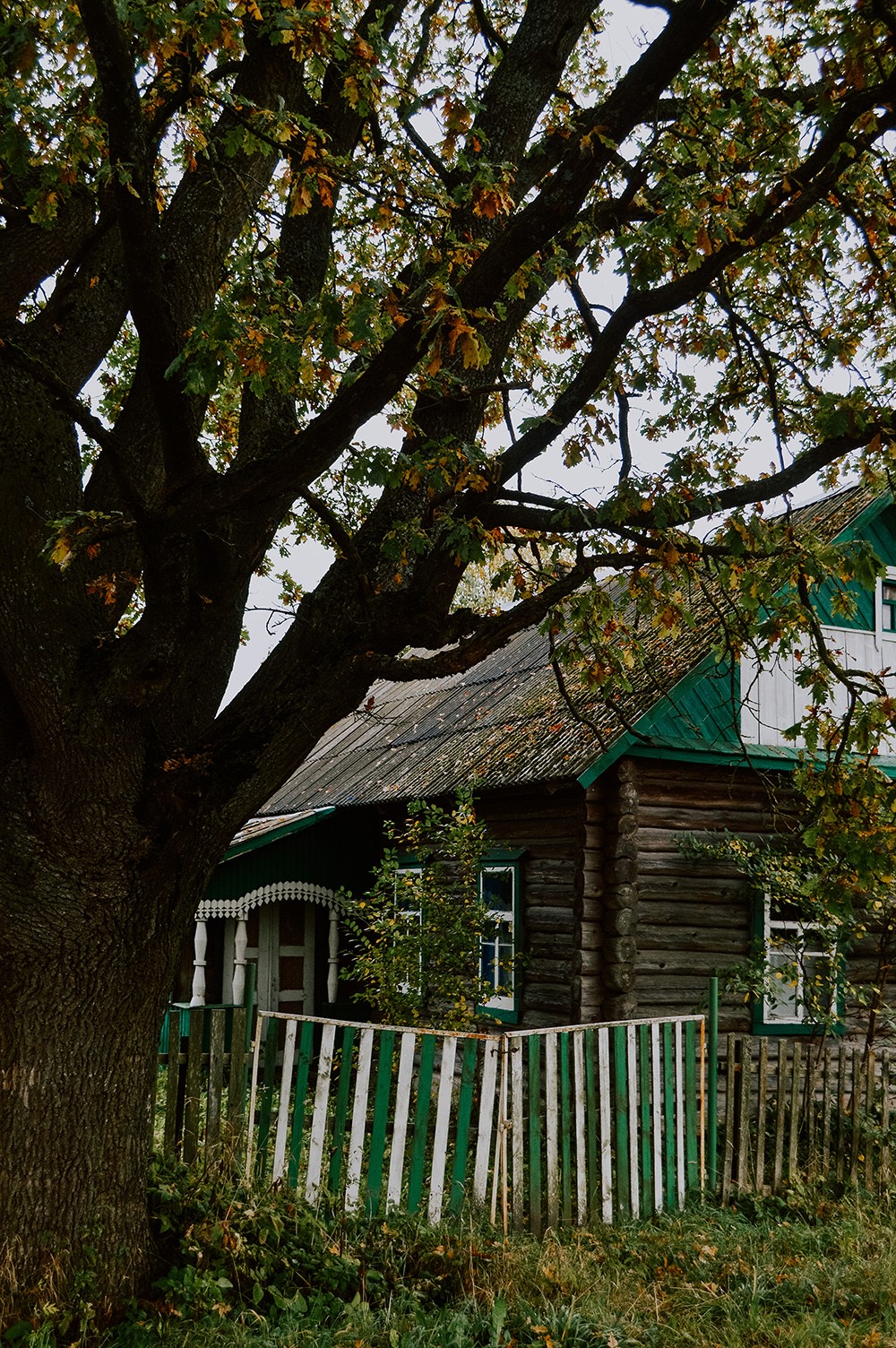
Obol is an ancient place with deep roots. It was first mentioned in 1503 as a village in the Polotsk Voivodeship of the Grand Duchy of Lithuania, when it was owned by Zenovichi. After a while, the Grebnitskys began to own the village. The Grebnitskys were Polish nobles and descended from Yakov Grebnitsky, who moved to Belarus in the 16th century. In addition to Obol, they owned estates in Orekhovno and Mosar in the Ushachsky district.
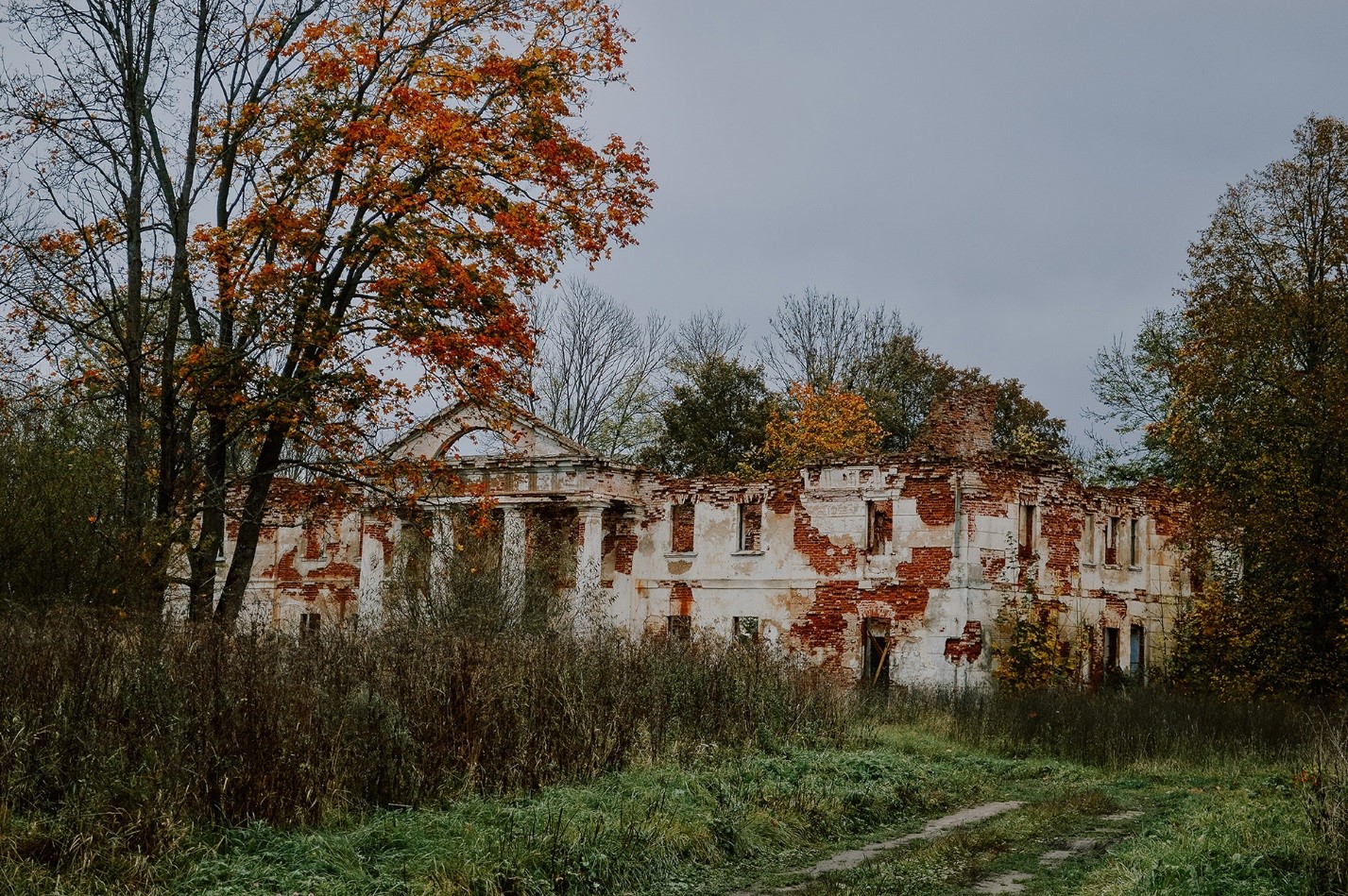
You can come here to look at the manor and park complex, which was built in the first half of the 19th century by Stanislav Grebnitsky. The estate in Obol has been mentioned since 1852, but was sold for debts. Under the Grebnitskys, about a hundred people served here, and from the unusual, the owners had a luxurious carriage with mirrored windows.
At first, the estate building was one-story - the second floor was completed later. In addition to the house itself, the estate included outbuildings, outbuildings, a manager's house, a glacier, a stable, and a park. The outbuildings emphasized the front part of the park, located on the terrace of the river, behind the house. Ash trees, birches, ornamental bushes grew here, there was a linden alley. On the second floor of the estate there were living quarters, a dining room, on the basement - the economic part. The first floor was occupied by a wide vestibule and a front hall with a staircase, rooms for servants and an estate adviser.
The estate had a large library, which was collected by Edward Grobnitsky. Among the many books was the Statute of the Grand Duchy of Lithuania. Each of the rooms had parquet floors made of different types of wood. And one of the rooms was called the canary room, as canaries were bred in it.
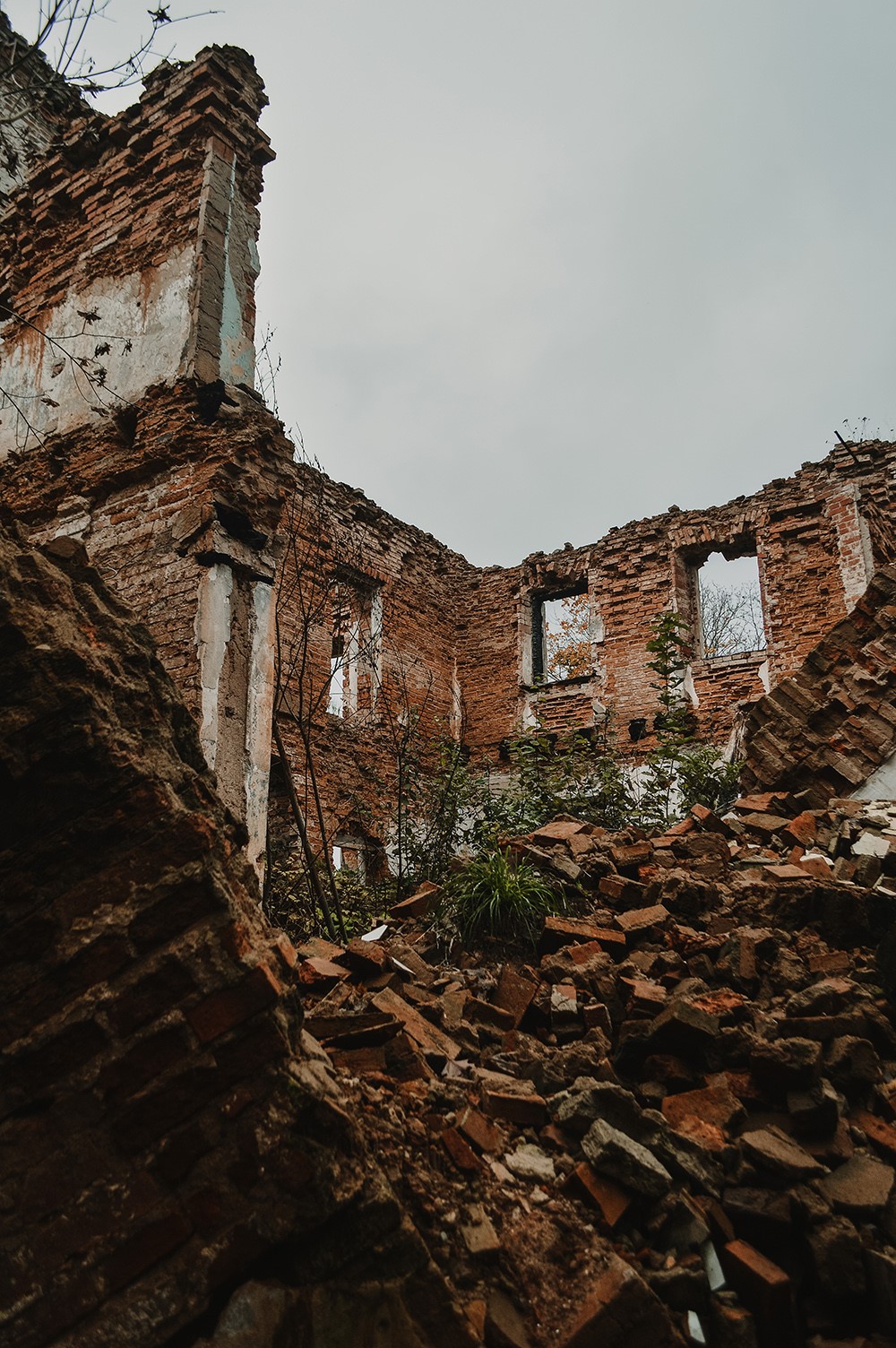
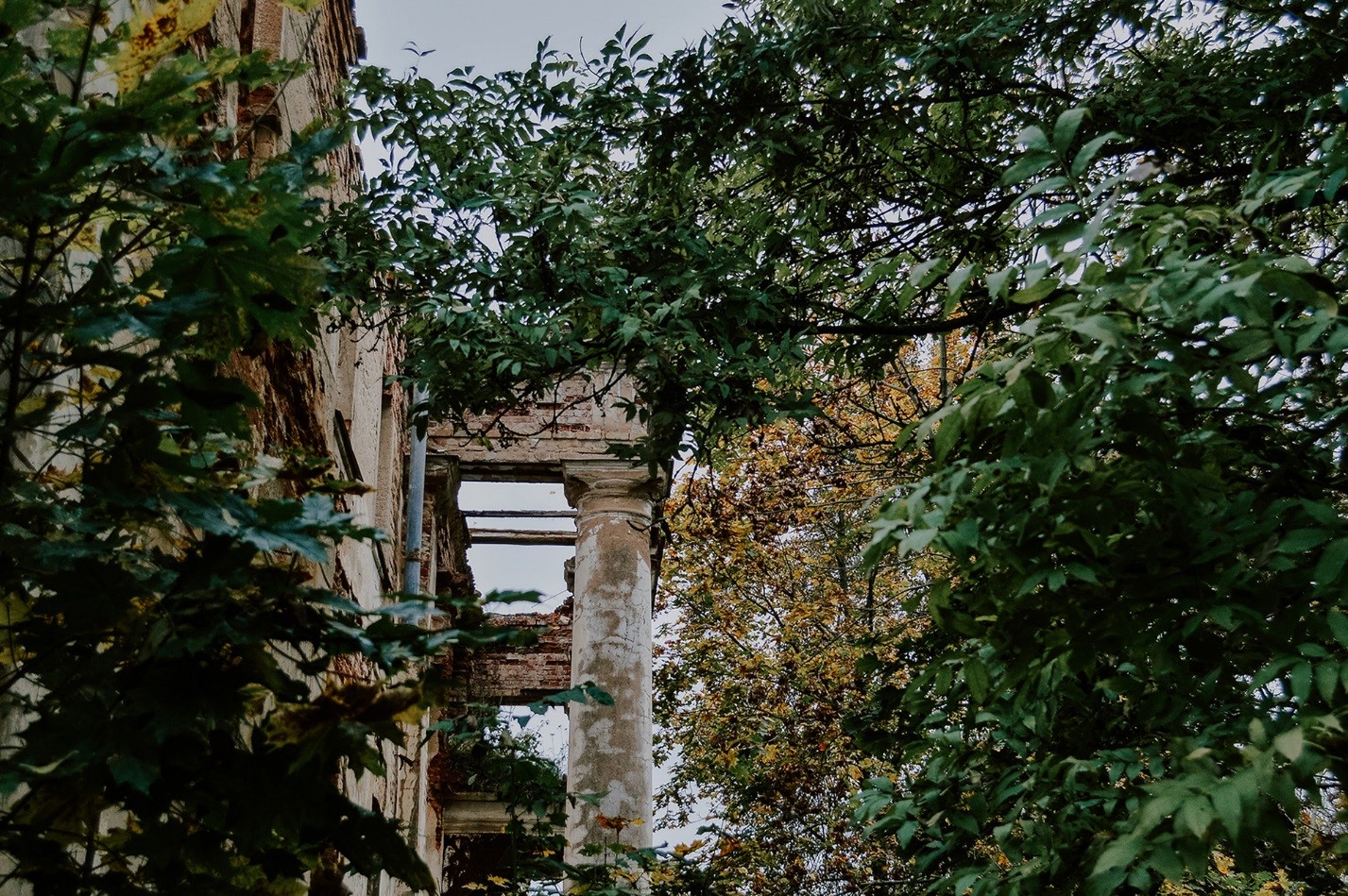
Since 1920, the manor housed a school. After the war, the building was given to the boarding school of the ceramics factory, and in the mid-90s, a fire destroyed the inside of the building. Over the past 20 years, the estate has fallen into disrepair. Beautiful cast iron consoles under the balcony and pieces of tiles on the wall are still preserved, and the wrought iron parapets of the balconies disappeared around 2007.